
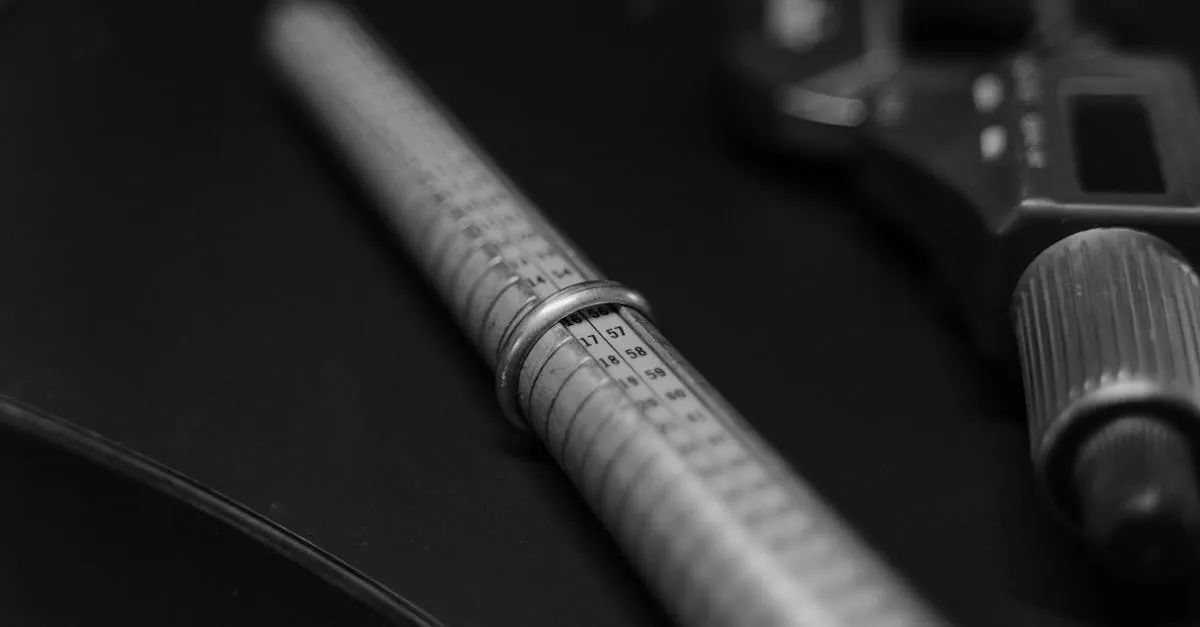
Jewelry size problems are small on the product page and expensive after delivery. A ring that is half a size tight, a necklace that falls lower than expected, or a bracelet that leaves no room for charms can turn a beautiful product into a return. The fix is not a longer description. Jewelry listings need measurement charts, wearable context, and images that show scale before the buyer guesses.
The Jewelry Size Toolkit
Use this table as the base plan for every jewelry listing.
| Jewelry Type | Buyer Question | Listing Must Show | Best Image |
|---|---|---|---|
| Ring | Will it fit my finger? | Diameter, circumference, size system | Ring size chart plus measuring method |
| Necklace | Where will it sit? | Chain length and pendant drop | Length-on-body diagram or model image |
| Bracelet | Will it be tight or loose? | Wrist measurement and finished bracelet size | Wrist measuring guide plus fit examples |
| Earrings | How large will they look? | Height, width, weight if heavy | Ear/model image plus object comparison |
| Anklet | Will it fit comfortably? | Ankle measurement and extender range | Measuring guide plus length options |
For small jewelry, one number is rarely enough. A 6 mm stud, 16 inch necklace, or 52 EU ring size may be technically correct, but buyers still need visual context.
Ring Size: Show Diameter, Circumference, And System
Ring sizing gets messy because buyers may know US, UK, European, Japanese, or millimeter measurements. The safest listing gives at least two systems and teaches measurement.
| US | UK Approx. | EU / Circumference mm | Diameter mm |
|---|---|---|---|
| 5 | J-K | 50 | 16.0 |
| 6 | L-L1/2 | 52 | 16.5 |
| 7 | N | 54 | 17.2 |
| 7.5 | O-P | 56 | 17.8 |
| 8 | P | 57 | 18.1 |
| 8.5 | P1/2-Q1/2 | 58 | 18.5 |
| 9 | R1/2-S | 60 | 19.0 |
| 10 | T1/2 | 62 | 19.8 |
These values should be checked against your own supplier data. Do not copy a global chart blindly if your manufacturer uses a different standard.
Ring Measuring Instructions For Listings
Use buyer-friendly instructions:
- Measure the finger at the end of the day.
- Avoid measuring when hands are very hot or very cold.
- Wrap a thin strip of paper or string around the base of the finger.
- Mark where the ends meet.
- Measure the length in millimeters.
- Compare the measurement with the chart.
- If between two sizes, choose the larger size for wide bands.
Cartier also advises measuring the finger rather than another ring and leaving enough room for the ring to pass over the finger comfortably. That is practical advice for sellers too: fit guidance should mention comfort, knuckle size, and band width.
Necklace Length: Show Where The Chain Falls
Necklace returns often come from expectation mismatch. "18 inches" means very different things to buyers with different neck sizes, pendant shapes, and layering habits.
| Length | Approx. cm | Typical Fit |
|---|---|---|
| 16 in | 40.5 cm | Close to collarbone on many adults |
| 18 in | 45.75 cm | Common everyday pendant length |
| 20 in | 50.75 cm | Slightly lower, often over neckline |
| 24 in | 61 cm | Mid-chest on many adults |
| 30 in | 76.25 cm | Long pendant or layering style |
| 36 in | 91.5 cm | Extra-long styling |
Tiffany's necklace size guide uses these common inch-to-centimeter lengths and recommends using a string cut to the necklace length to see where it falls. Turn that into listing content: "Cut a 45.75 cm string to preview our 18 in chain before ordering."
What To Add For Pendants
Necklace listings should separate chain length from pendant size.
| Measurement | Why Buyers Need It |
|---|---|
| Chain length | Determines where the necklace sits |
| Pendant height | Determines visual size |
| Pendant width | Helps buyers judge subtle vs statement |
| Pendant drop including bail | Shows total vertical fall |
| Extender length | Explains adjustable range |
If the pendant is large, show it on a model or bust. If you cannot use a model, place it next to a coin, ruler, or hand reference in a secondary image.
Bracelet Size: Measure The Wrist, Then Explain Fit
Bracelet sizing is not just circumference. Charm bracelets, bangles, cuffs, leather, and adjustable chains all fit differently.
| Bracelet Type | What To Show |
|---|---|
| Chain bracelet | Wrist size range and extender length |
| Bangle | Inner diameter and hand-through fit |
| Cuff | Opening width, inner width, adjustability |
| Charm bracelet | Wrist size plus room for charms |
| Leather bracelet | Wrist range and note about stretching |
Pandora recommends choosing the next size up when between sizes and gives different fit notes by bracelet type. That is exactly the level of specificity sellers need. If a charm bracelet has room for charms, say how much room. If leather can expand over time, state it before the buyer complains.
Bracelet Listing Template
Use this structure:
| Field | Example |
|---|---|
| Wrist measurement | Fits 15-16 cm wrist |
| Bracelet size | 17 cm finished bracelet length |
| Fit feel | Comfortable fit with light movement |
| Adjustability | 2 cm extender chain |
| Product-specific note | Choose one size up if adding multiple charms |
Earrings: Do Not Hide Scale
Earrings are often returned because they look smaller, larger, or heavier than expected. Give buyers three kinds of information:
- face or ear photo for wearable scale
- exact dimensions in millimeters
- weight per earring when weight affects comfort
| Earring Type | Key Measurements |
|---|---|
| Stud | Diameter, post length, backing type |
| Hoop | Outer diameter, inner diameter, tube thickness |
| Drop earring | Total drop length, widest point, weight |
| Huggie | Inner diameter and clasp type |
| Statement earring | Height, width, weight per piece |
For tiny studs, macro photography can exaggerate size. Always pair the macro detail with an ear image or object comparison.
Image Stack For Jewelry Size Confidence
A strong jewelry listing does not force buyers to hunt through text.
| Image Slot | Purpose |
|---|---|
| 1 | Clean product hero |
| 2 | Worn scale image |
| 3 | Measurement annotation image |
| 4 | Size chart or conversion table |
| 5 | Material and clasp/detail close-up |
| 6 | Packaging or gift presentation |
| 7 | Care or fit instructions |
Do not put every number on the main image if the marketplace forbids overlays. Use secondary images for measurement graphics. Keep the chart readable on mobile: large numbers, short labels, high contrast, and no tiny footnotes.
Common Jewelry Size Mistakes
| Mistake | Why It Causes Returns | Better Fix |
|---|---|---|
| Listing only "one size" | Buyers do not know actual fit range | Show circumference, diameter, or extender range |
| Macro photo only | Product looks larger than real life | Add worn scale or object comparison |
| Ring chart without measuring method | Buyer chooses the wrong system | Include diameter/circumference instructions |
| Necklace length without pendant drop | Buyer misjudges final position | Show chain length plus pendant dimensions |
| Bracelet length without wrist range | Finished length is not fit guidance | Show wrist size and fit feel |
Next Steps
- Audit your top 20 jewelry listings for missing size fields.
- Add one measurement image to every ring, necklace, bracelet, and earring listing.
- Use a consistent chart style across the catalog.
- For new launches, photograph scale images during the first shoot instead of adding them later.
- Use a product annotation tool such as SizeMarker, Canva, or Adobe Express when you need clean dimension lines and labels on secondary images.
FAQ
Should jewelry dimensions be in inches or centimeters?
Use both when selling internationally. Rings often need millimeters, necklaces often need inches and centimeters, and earrings are easiest to understand in millimeters plus a visual scale image.
Should I recommend sizing up?
Only when the product type justifies it. Wide rings, charm bracelets, and between-size situations often need sizing-up guidance. Thin rings or adjustable chains may not.
Do I need a model photo for every jewelry item?
Not always, but you need scale. A model photo is strongest for earrings and necklaces. For rings and small pendants, a hand, ruler, coin, or annotated close-up can work if it is honest and readable.
Can I use one universal ring chart for all rings?
Use a base chart, but add product-specific notes for wide bands, stacking rings, adjustable rings, and handmade tolerances. Ring width changes fit.
Where should the size guide appear?
Put a short size answer in the image gallery and the full chart in the description or size-guide block. Buyers should not need to scroll far to avoid choosing the wrong size.